Parti.com

Redesigning a Web3 Trading and Livestream web app

Led a growth-focused redesign of Parti's core experience to reduce friction in high-stake financial transactions, strengthen user confidence through clearer feedback and progressive disclosure, and drive deeper engagement.

Results

  • 30% increase in DAU
  • 15% lift in conversions
  • Improved feature adoption and engagement

My Contributions

  • Lead Product Designer
  • UX Research
  • User Testing
  • Product Strategy
  • Scalable Design System
  • Wireframes & Prototypes
Context

All-in-one Livestream + Web3 Trading

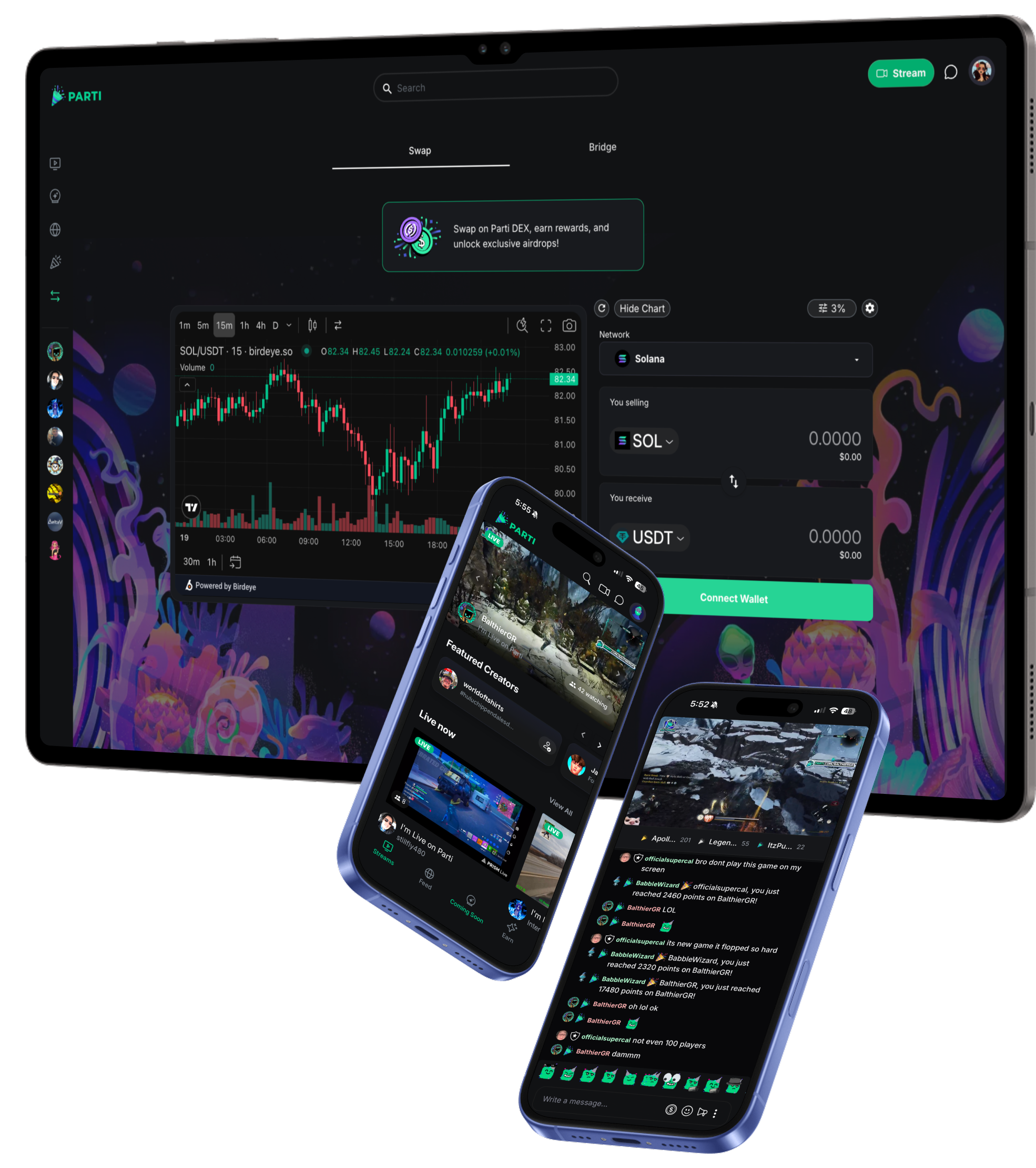
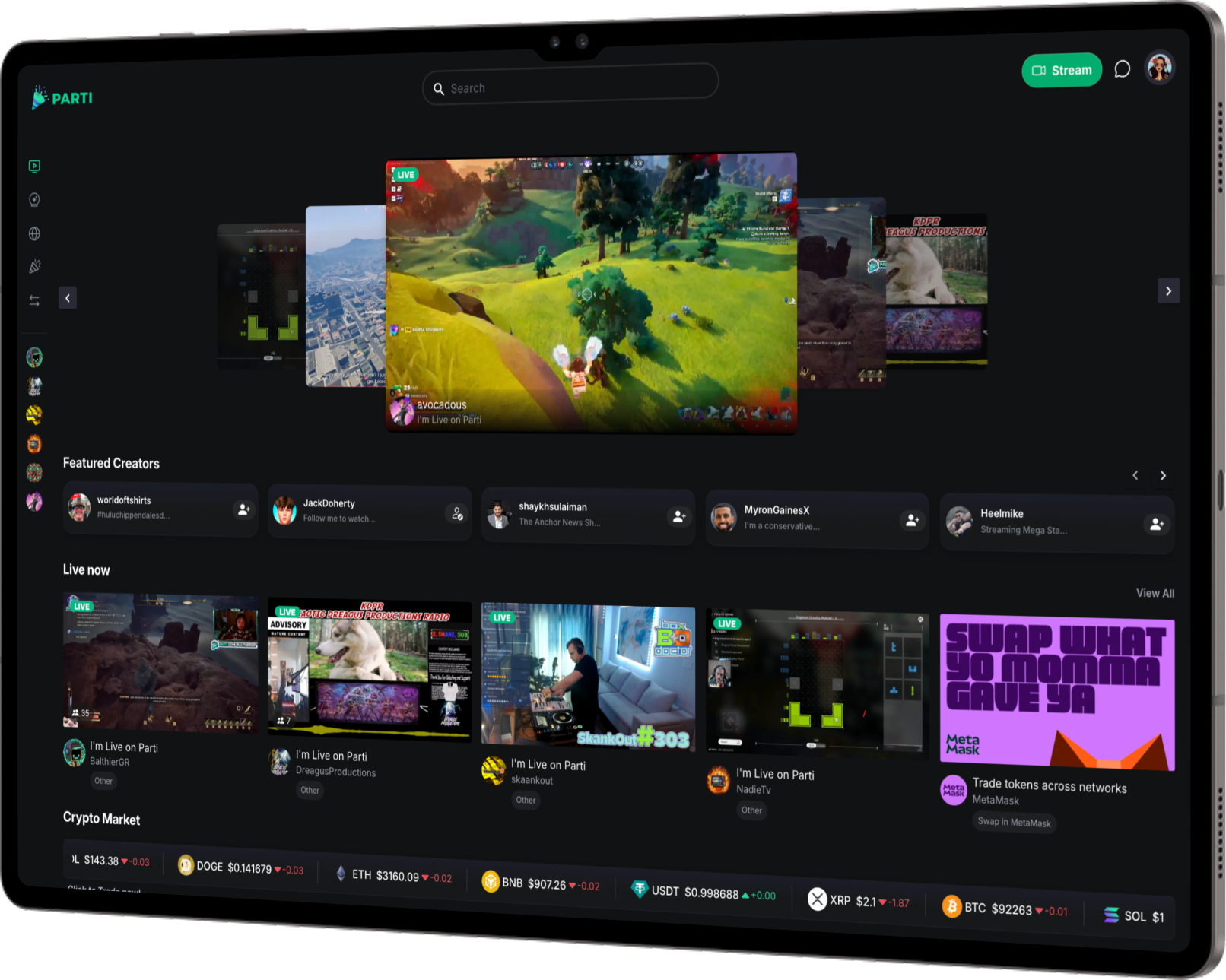
Parti combines live content, social interactions, and web3 into a responsive web app for mobile and desktop. Features: Globalized monetization through Crypto. Crypto allows for a global fanbase unlike Stripe which blocks certain countries. Access entertainment content, news, investment info and crypto trading.
Problem

Unappealing design, confusing navigation, and lack of user engagement

Parti is a livestream + trading platform operating in a high-risk, high-emotion environment where users make real financial decisions in real time. Users lacked confidence navigating key flows. The interface created friction in critical moments, leading to low feature engagement and drop-off in high-intent actions.

Solution

Modernize visual design, reduce friction and increase user confidence
Design Thinking Approach

Understand

Understand the problem through User Interviews and Market analysis

Specify

Analyze findings, identify goals and prioritize features based on findings

Ideate

Create low fidelity wireframes to explore design posibilities

Test

Test hi-fi prototypes with users to gather feedback and iterate designs

Design System

Creating the Tone, Color Palette, Iconography and Typography of the brand

Launch

Implement final solution, launch and monitor performance metrics

User Research

What do users think of Parti?

To better understand our users experience first-hand, I conducted a survey with Parti users and organized the data through affinity mapping, and the main insights of the research are below:

Visual Design feels dated and unappealing

The site is all purple, while unique its reminiscent of older sites and deemed unattractive.

Impact: Not engaging and detracts from the user experience. A web3 platform should be exciting.

Poor Navigation & Usability

Users shared that core features (streaming, wallet, tipping) were hard to locate.

Impact: Users spent unnecessary time locating key functions, reducing engagement.

Heavy Cognitive Load during Transactions

Crypto transaction flows were overwhelming with too much data, limited guidance or error prevention.

Impact: Users abandoned transactions mid-way.

Unclear Feature Purpose

Engagement features such as tipping in chat or gifting subscriptions lacked guidance on its impementation.

Impact: Users underutilized revenue-driving features.

Market Research

Competitive Analysis

Researched industry standards and user expectations to uncover opportunities for differentiation.

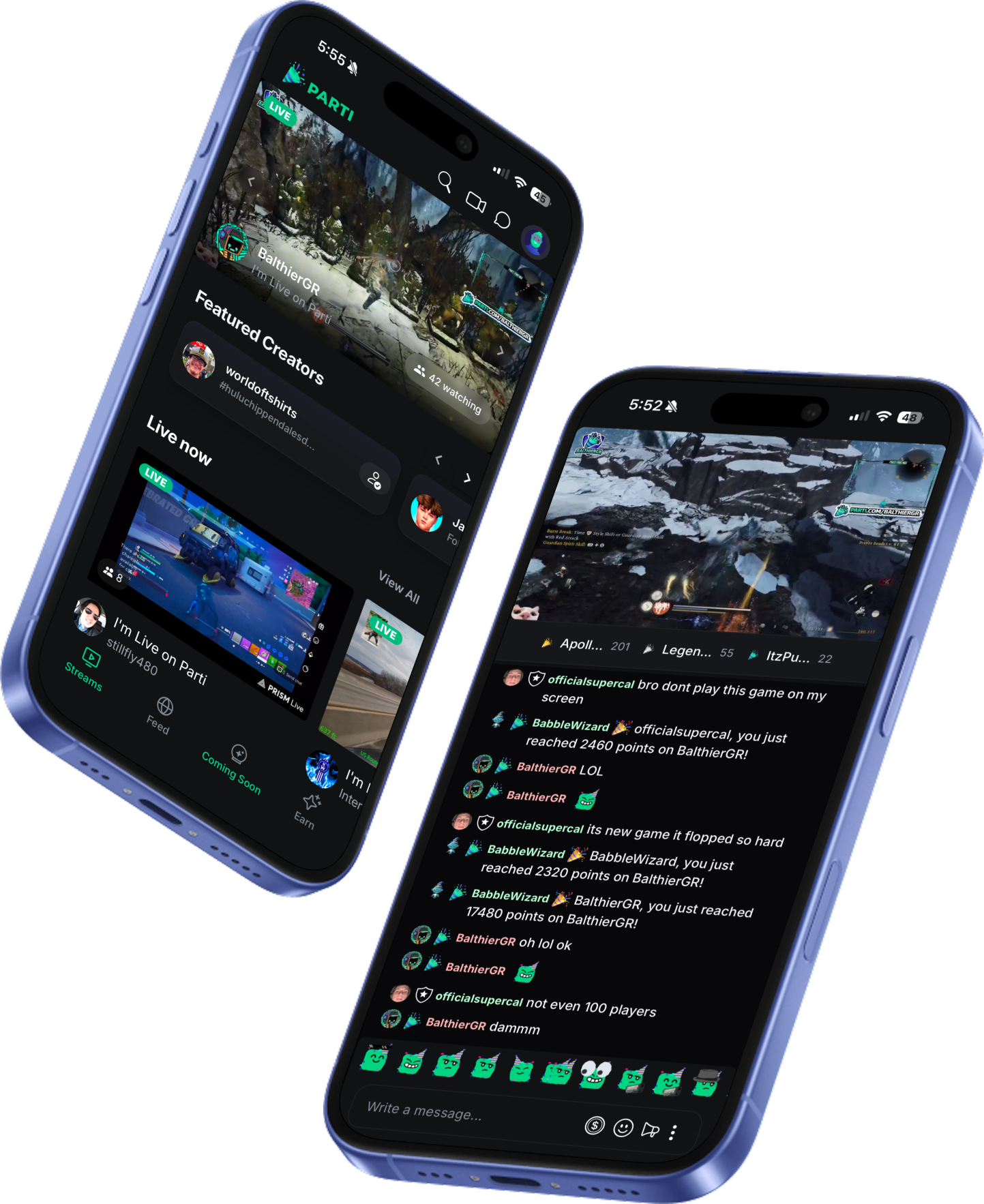
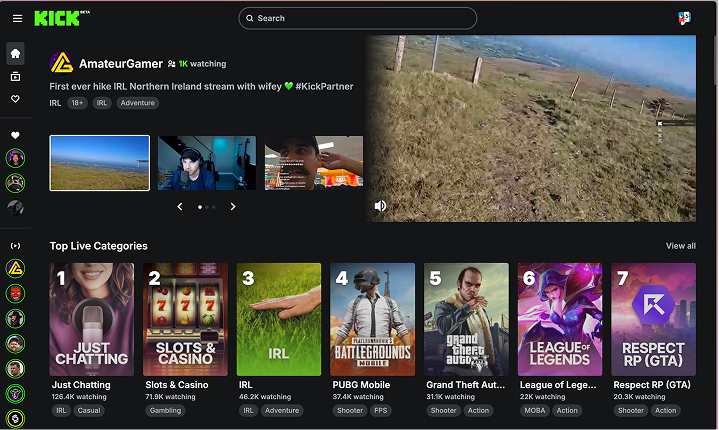
Bright Accent Color

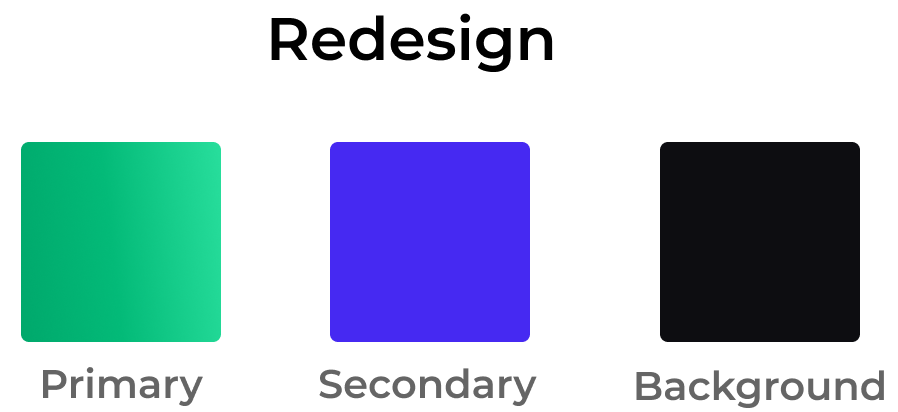
Web3 design trend of a dark background with a bright accent color
Before Image
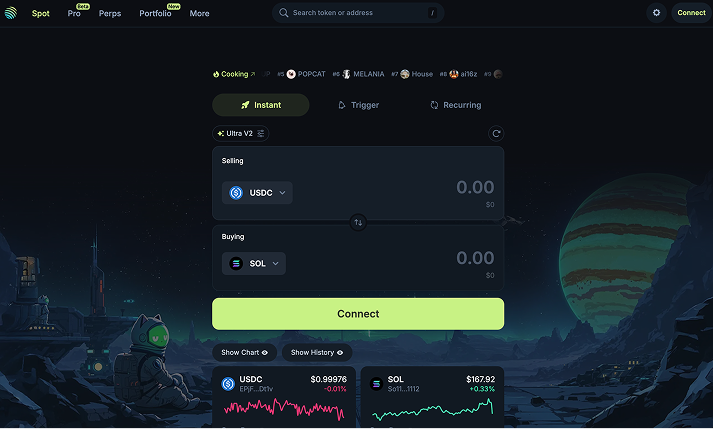
Clean UI Design

Organized layout for easy scanning and navigation of content
After Image
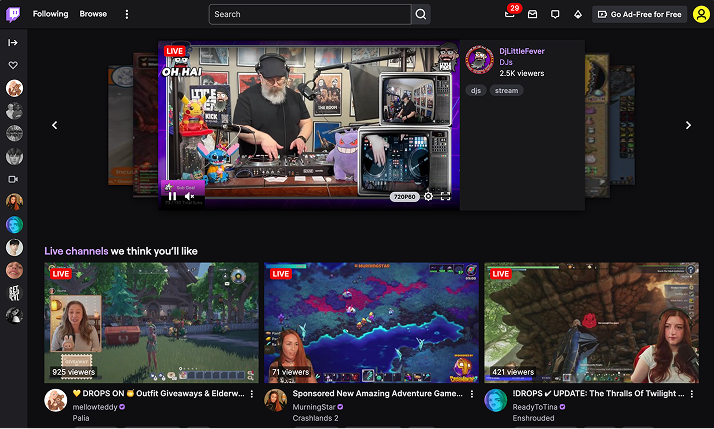
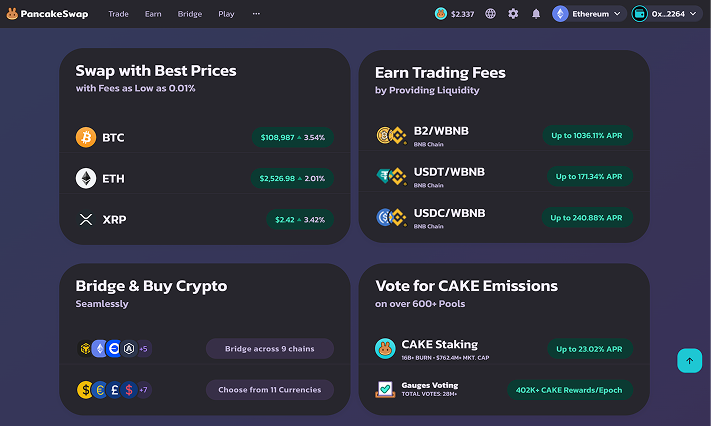
Clear Data Visualization

Reduces information overload and clutter
Before Image
Large Search Bar Centered

Search bar and main actions always accessible on side and top bar
After Image
Phase 2

Define Goals

Synthesized research data and presented findings to Stakeholders, PM and engineers. We identified project goals that align with business requirements and user feedback.

Visually appealing redesign

Improve usability & navigation

Increase user engagement

Collaboration & Leadership

Leading Cross-Functional Meetings

I facilitated weekly checkpoints with founders, engineering and product to align on priorities, negotiate trade-offs, and champion user needs across competing objectives. I had daily check-ins with engineers, where I would send my Figma File and sometimes offer HTML & CSS code directly when I had a specific change in mind. I incorporated them early into my design process to ensure technical feasibility and practical implementation.

Improve First-Impressions

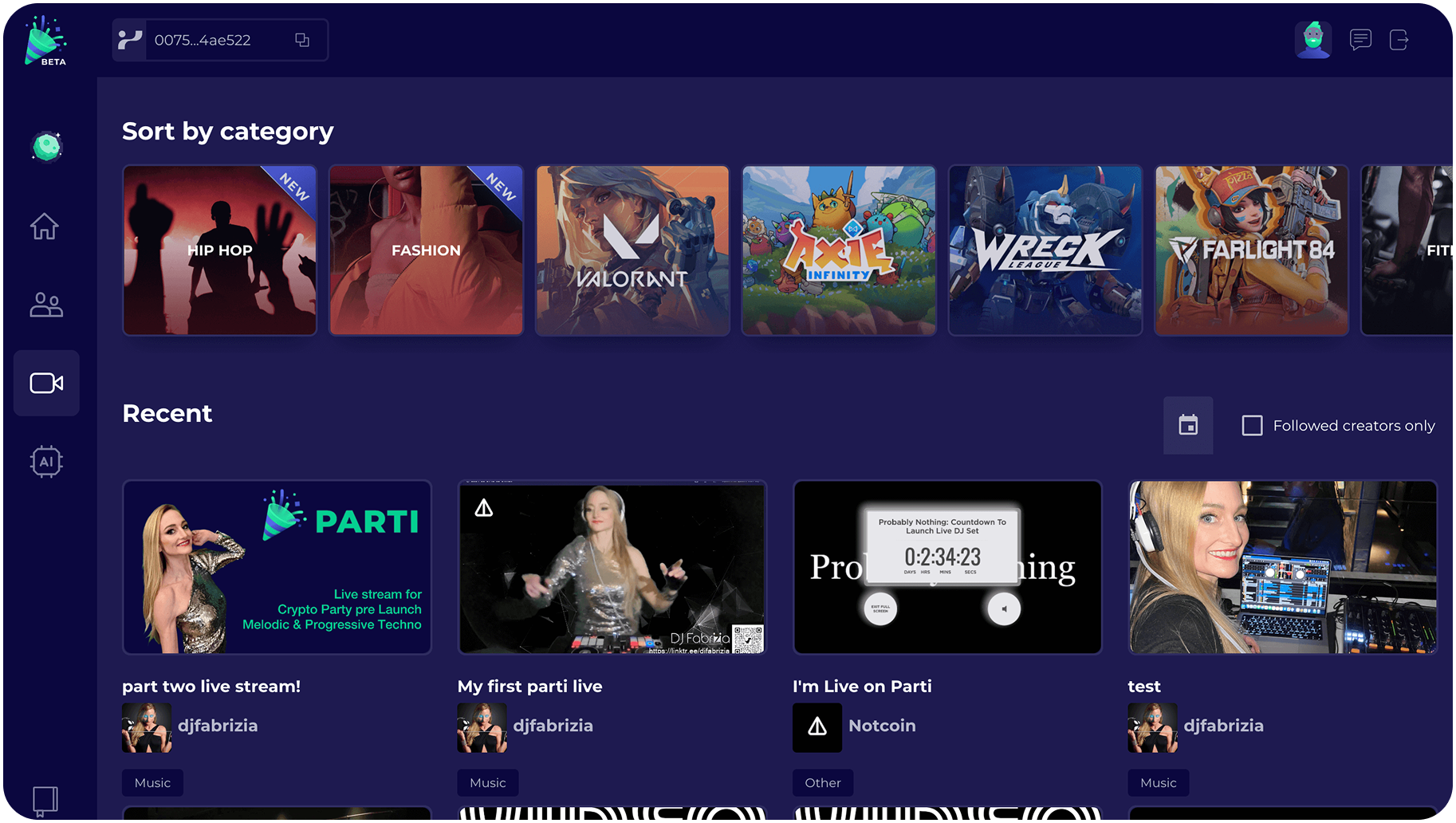
Modern Visual UI

Users felt the original color palette lacked vibrancy and visual impact. For the redesign, I preserved Parti’s brand colors to maintain identity and recognition, while enhancing them to create a more dynamic, engaging visual system.
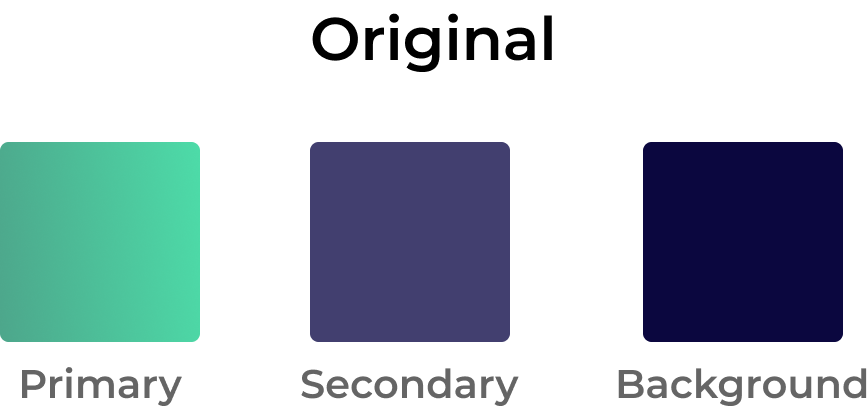
High bounce rates, outdated design and lack of interest

• Low contrast = overuse of purple
• Dull & muted color palette
• Unclear visual hierarchy
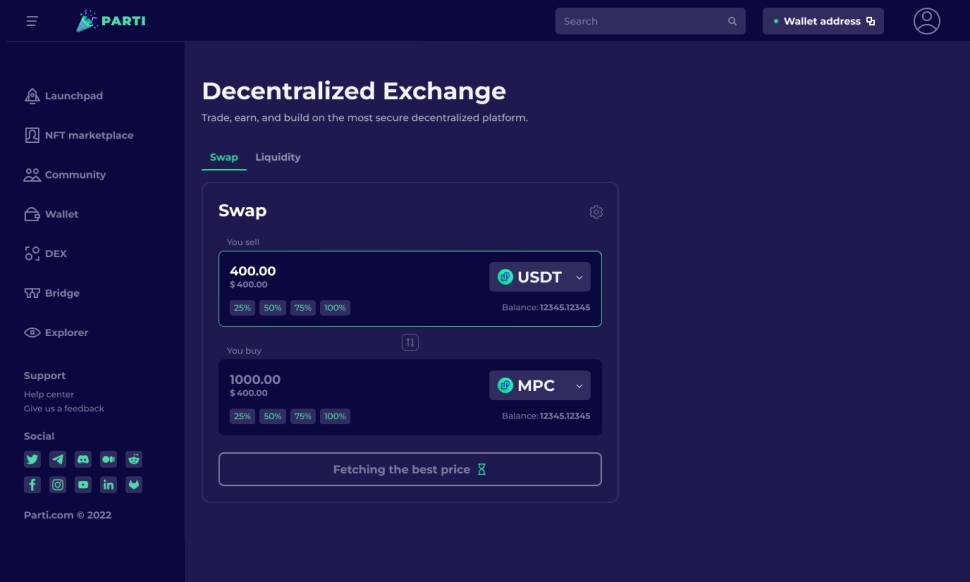
Before Image
Exciting and engaging design that reduced bounce rates

• High contrast = Vibrant accents + dark background
• Colorful, distinctive Web3-inspired visual identity
• Strong visual hierarchy
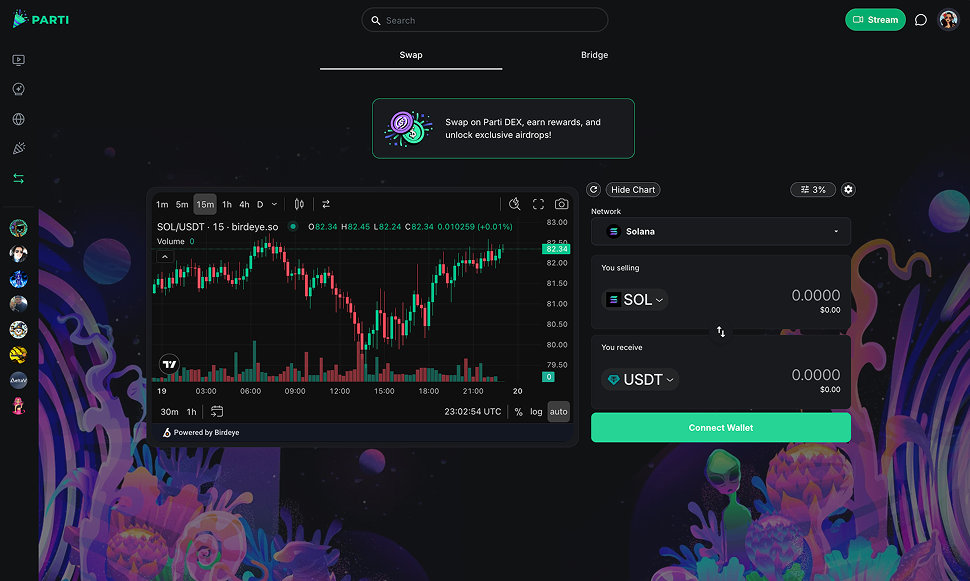
After Image
Phase 5

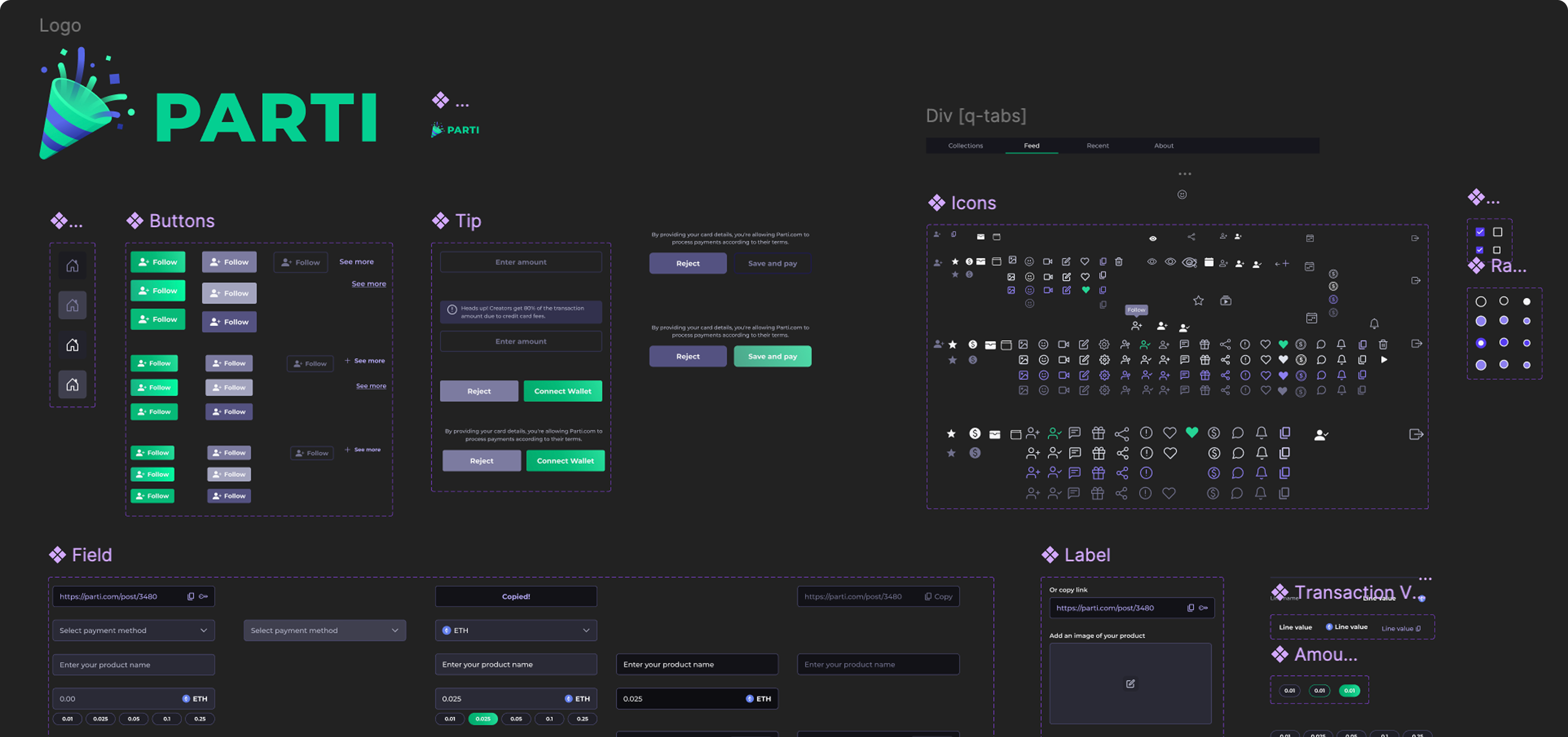
Design System

I established a consistent design system foundation for Parti that supported scalability across future features. This involved refining typographic scales, color semantics, Web3-specific icons, real-time feedback, and interaction components for live price updates. Also kept mobile responsiveness in mind (e.g., larger tap targets).
The design system increase design velocity andfacilitated a smooth hand-off and reduced rework during implementation.

Backend Systems and Data Models

Aligning UX with Backend Workflows

To deliver trustworthy experiences in a real-time, high-stakes Web3 platform, there must be alignment between user-facing UI and the backend operational systems. I partnered closely with engineering to understand data models, API contracts, and real-time data flows.
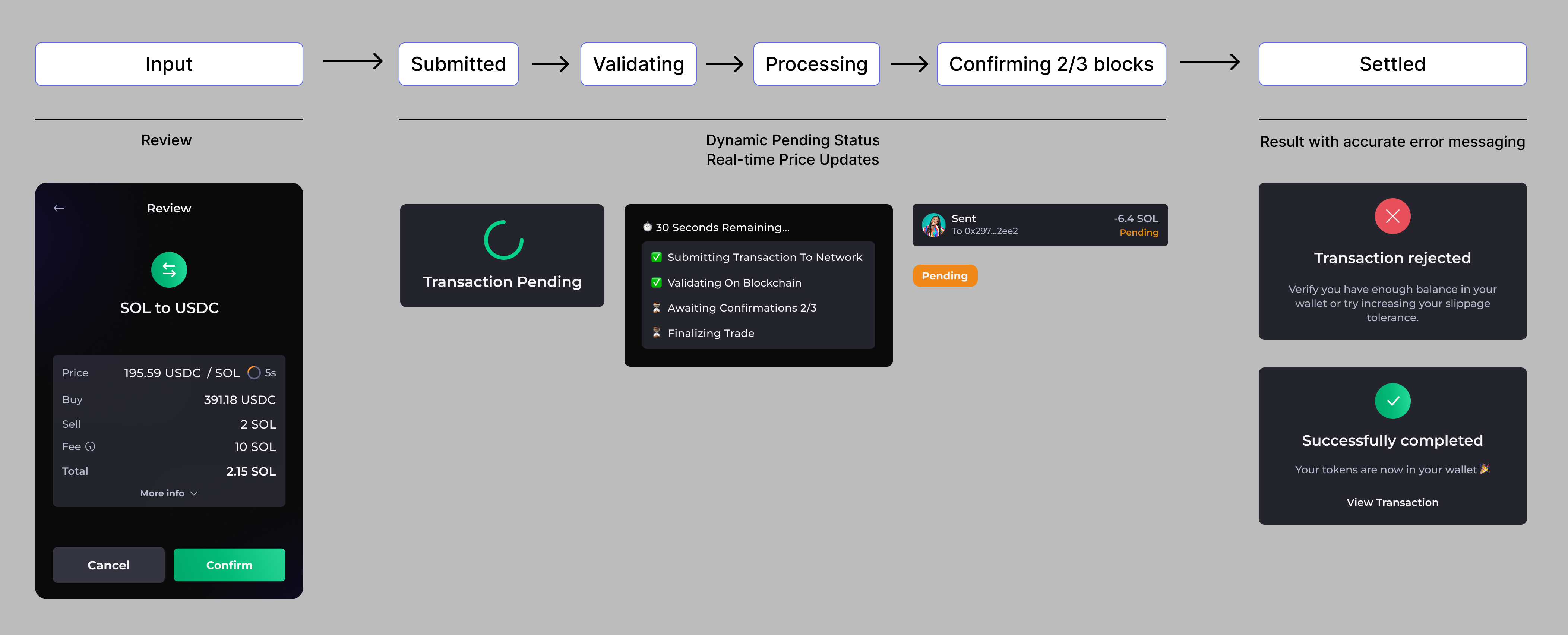
This allowed me to surface complex backend information (balances, fees, transaction states, network conditions) to users in simplified, accurate, and confidence-building ways rather than generic vague loaders.
Impact: Demonstrating precise, actionable and trustworthy data prevents friction and builds user confidence.

Transaction Data Flows to Simple UI

High-Converting Flows

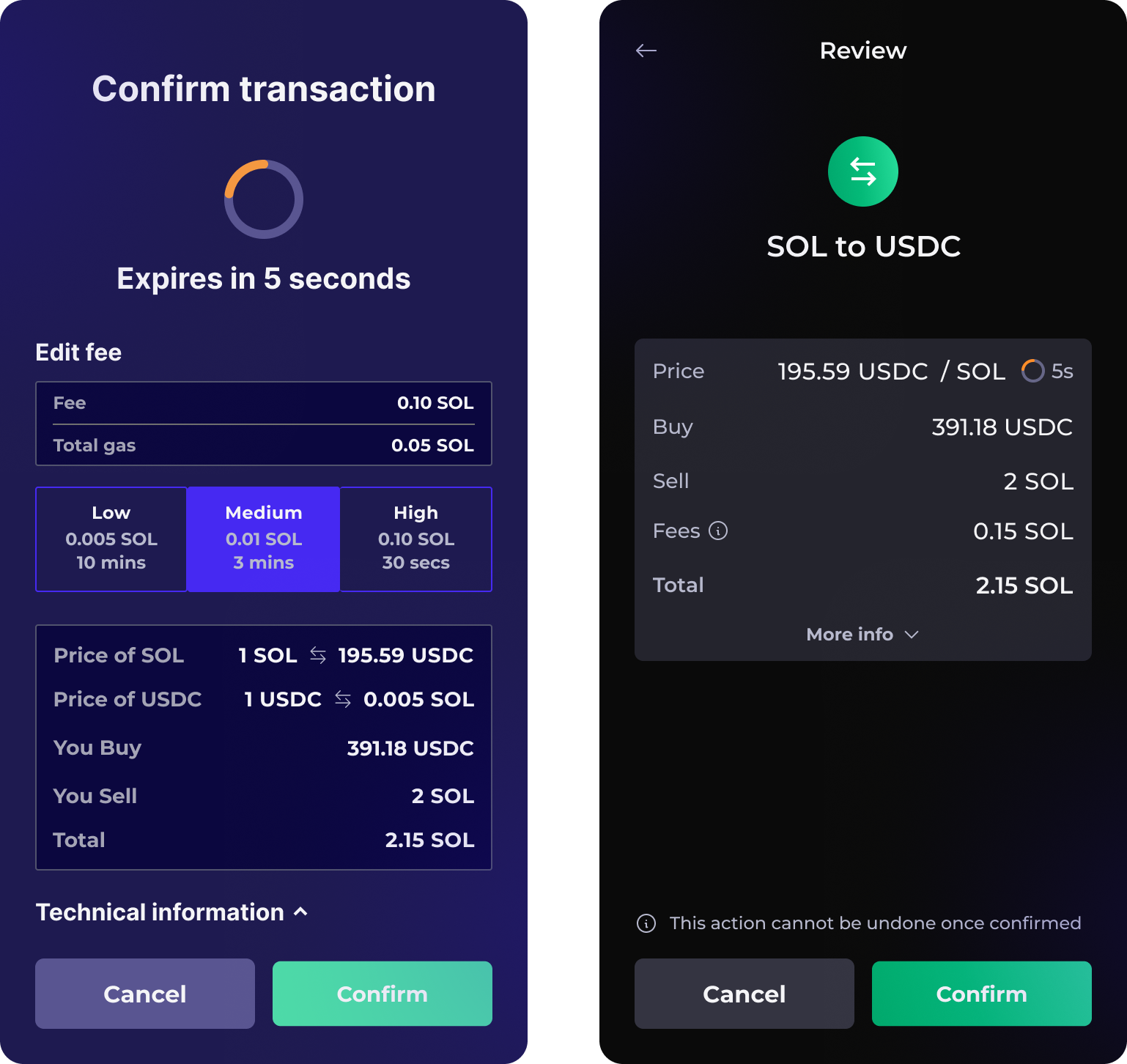
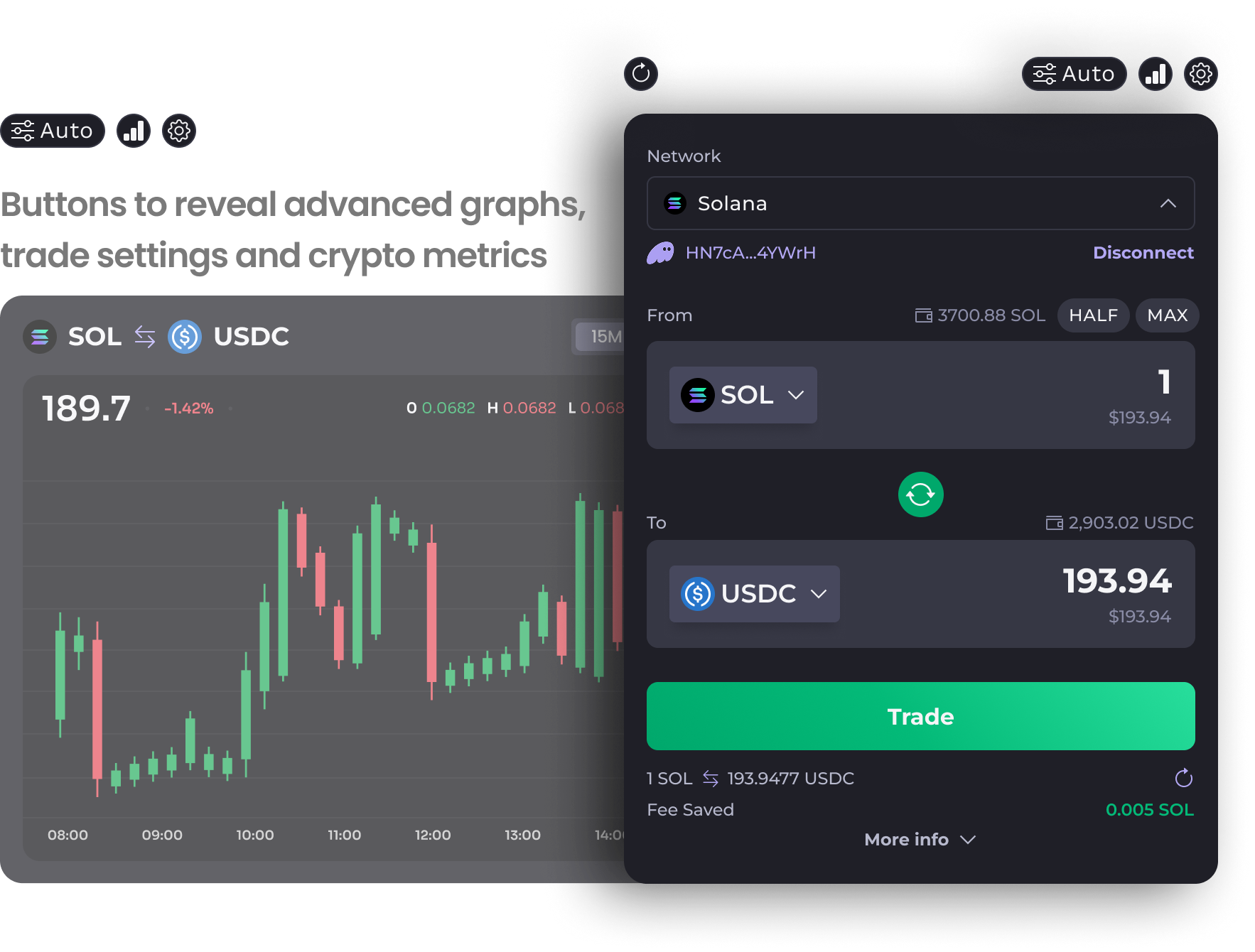
Original user flows were overwhelming and led to high abandonment rates. For example, Original transcation screens (Left) pulled raw backend data, leading to user hesitation and abandoned flows when discrepancies arose.

Redesigned transaction flows (Right) pulls the same real-time data and displays it in a clear user-friendly way.
• Real-time price updates
• Tooltips explaining backend-derived values
• Conditional Data Display (more details)
• Error prevention messaging

Impact: Reduced cognitive friction, improved transaction completion rates, and made implementation smoother for engineers. Demonstrating the value of connecting user journeys with backend systems.

Challenge 1

Designing for Confidence and Emotional UX

Fintech is a high-stakes environment, users experience anxiety, fear irreversible mistakes and need reassurance before committing. We must design experiences that build trust by balancing security, transparency and education in an unfamiliar space.

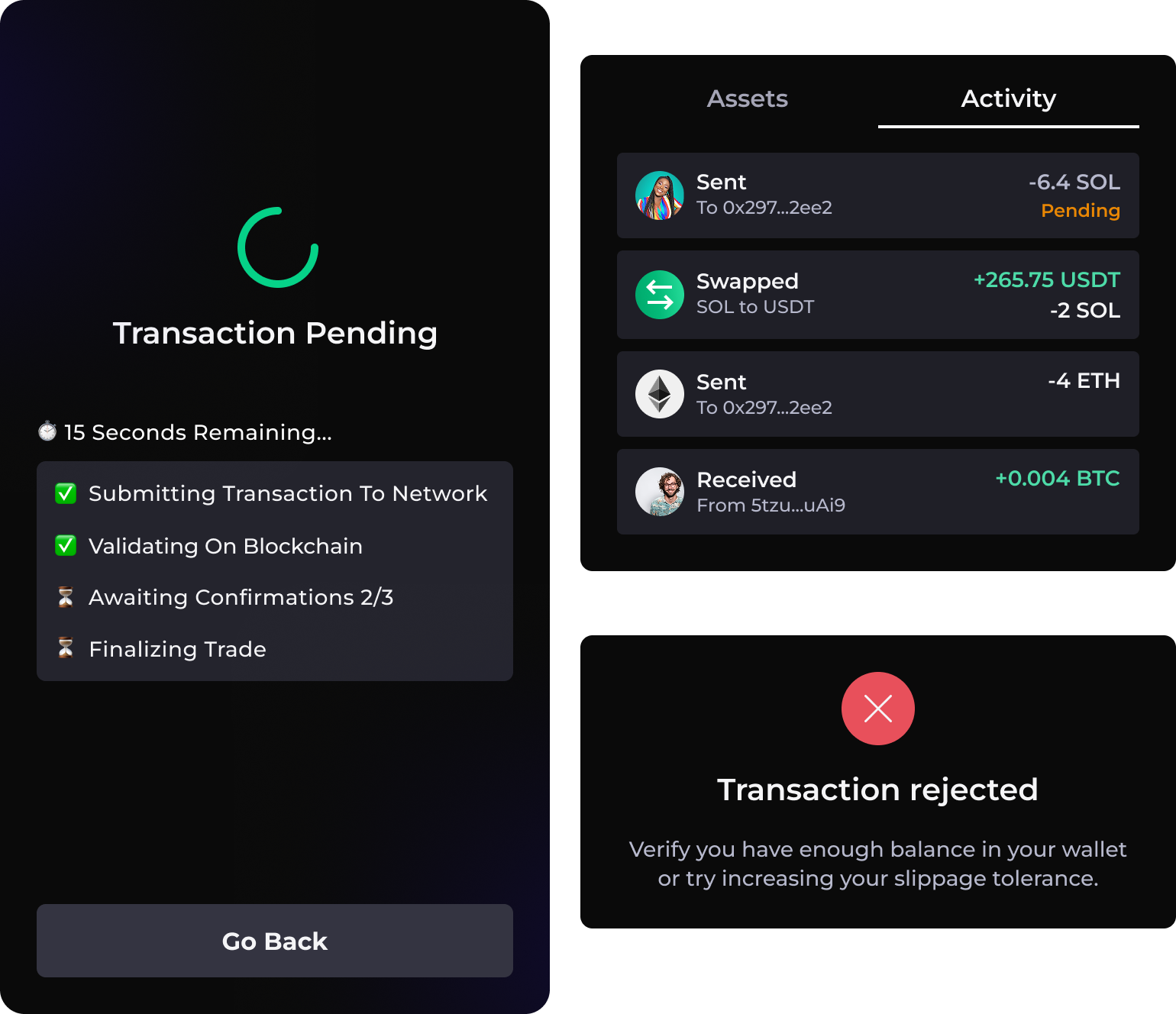
Real-Time Indicators & Progress States

Transparent, real-time feedback during high-stakes actions. Clear progress indicators and contextual messaging reduce uncertainty and reinforced system reliability.

AI Features

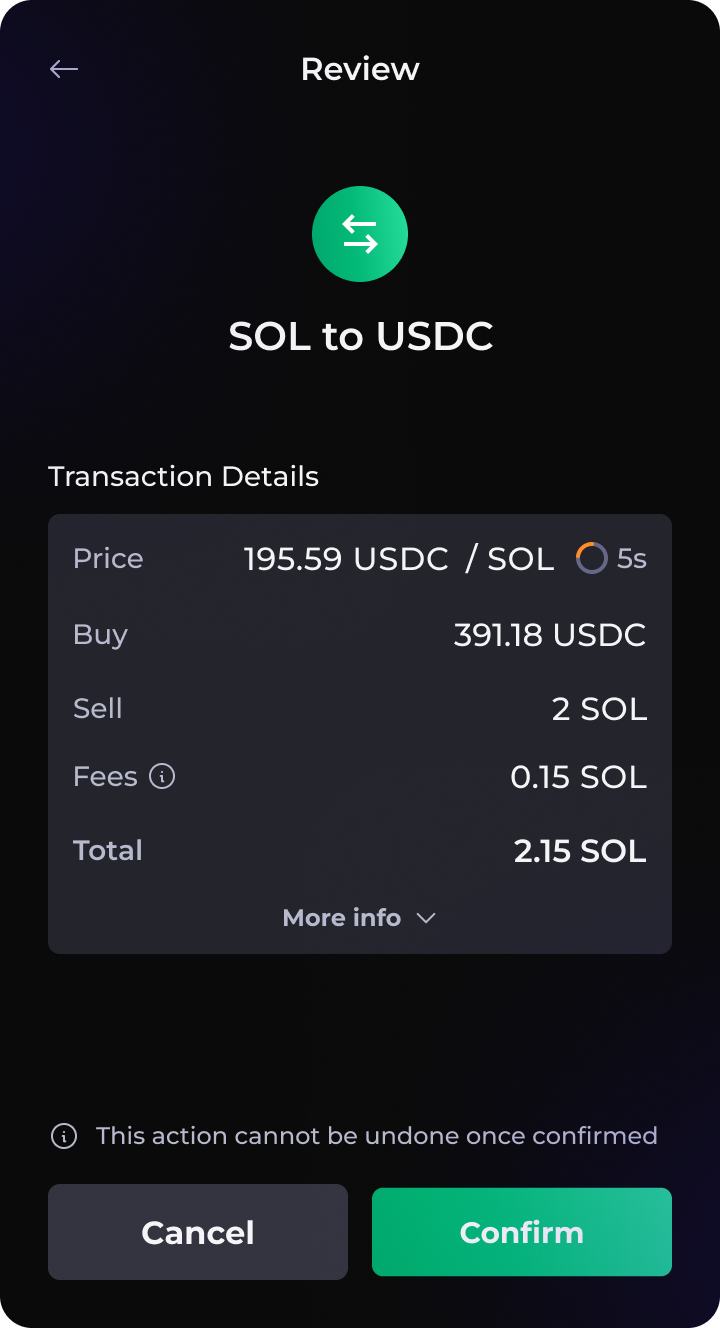
Confirmation mechanisms

Structured confirmation screen with transparent transaction summaries for irreversible actions. This increases perceived control, encourages commitment and builds trust.

Onboarding demo
Challenge 2

A Data-Dense Experience that doesn’t overwhelm

Balance between Displaying complex, real-time financial data and analytics without sacrificing usability or accessibility.

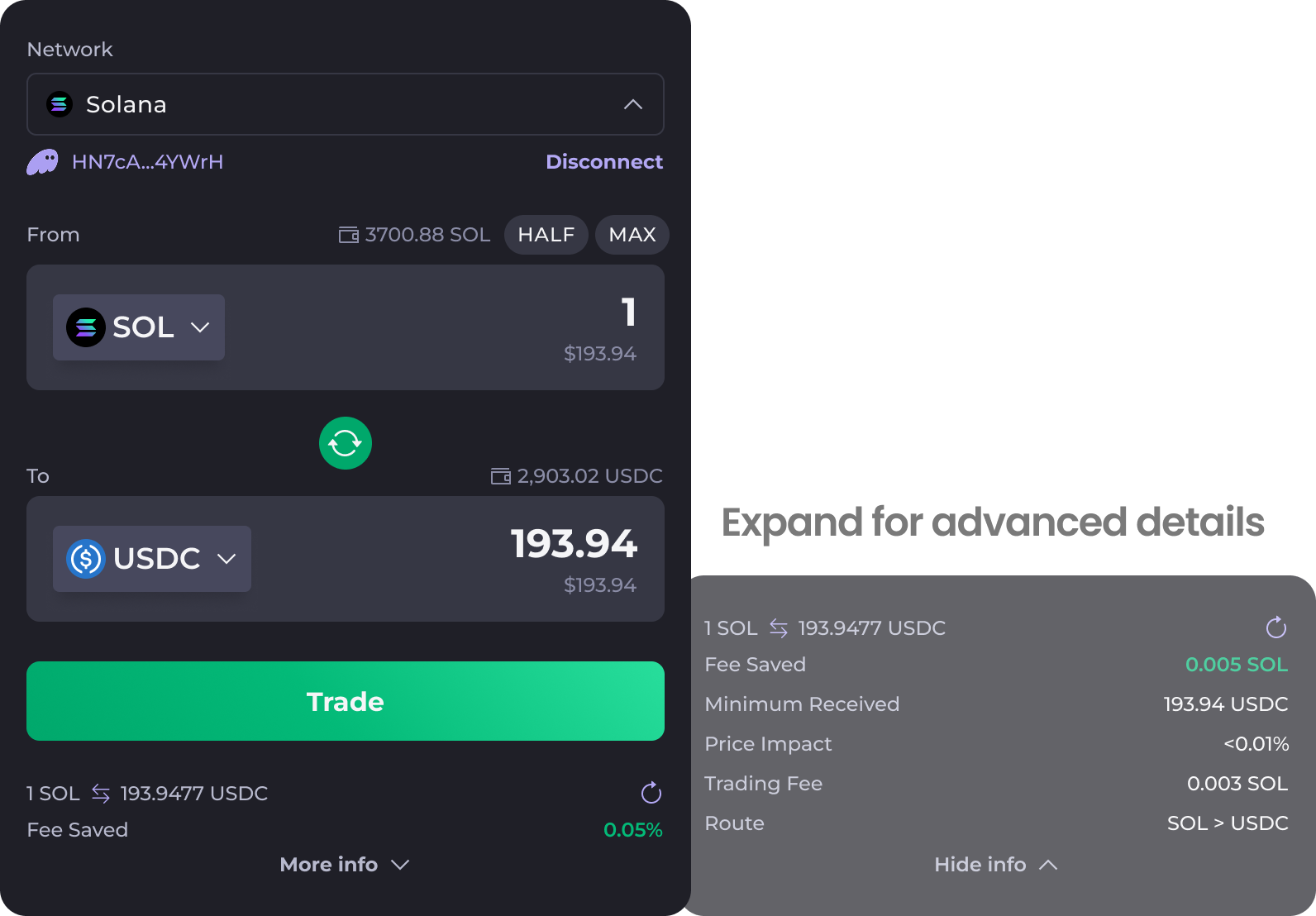
Progressive Disclosure

We surfaced complex trading data only when relevant, placing details in expandable sections. This reduced cognitive overload and improved transaction completion rates and minimized hesitation during high-intent actions.

AI Features
Onboarding demo
Challenge 3

Combining 2 industries in 1 web app

Integrating livestream social features with Web3 and crypto elements could feel disjointed, cluttered, or overwhelming. With my design, I created a cohesive user experience.

Component-level simplification

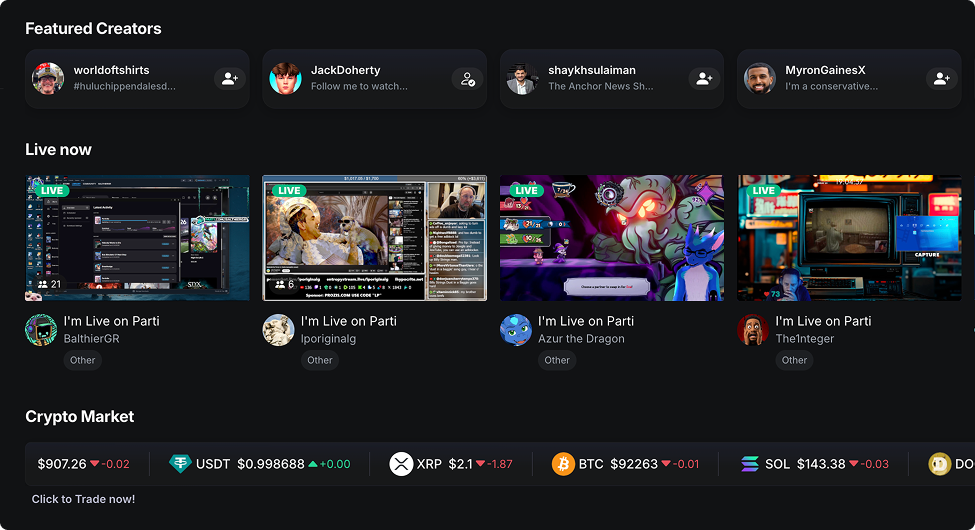
Strategically placed crypto features (e.g. market tickers, swap modals) throughout the web app. Displaying only essential metrics up front, leading users to more advanced with a click.


Data Visualization

Clear, concise data presentation through charts and color-coding helps users quickly digest complex financial data and make informed decisions..

AI Chatbot

WIP: Integrating AI and Conversational Design

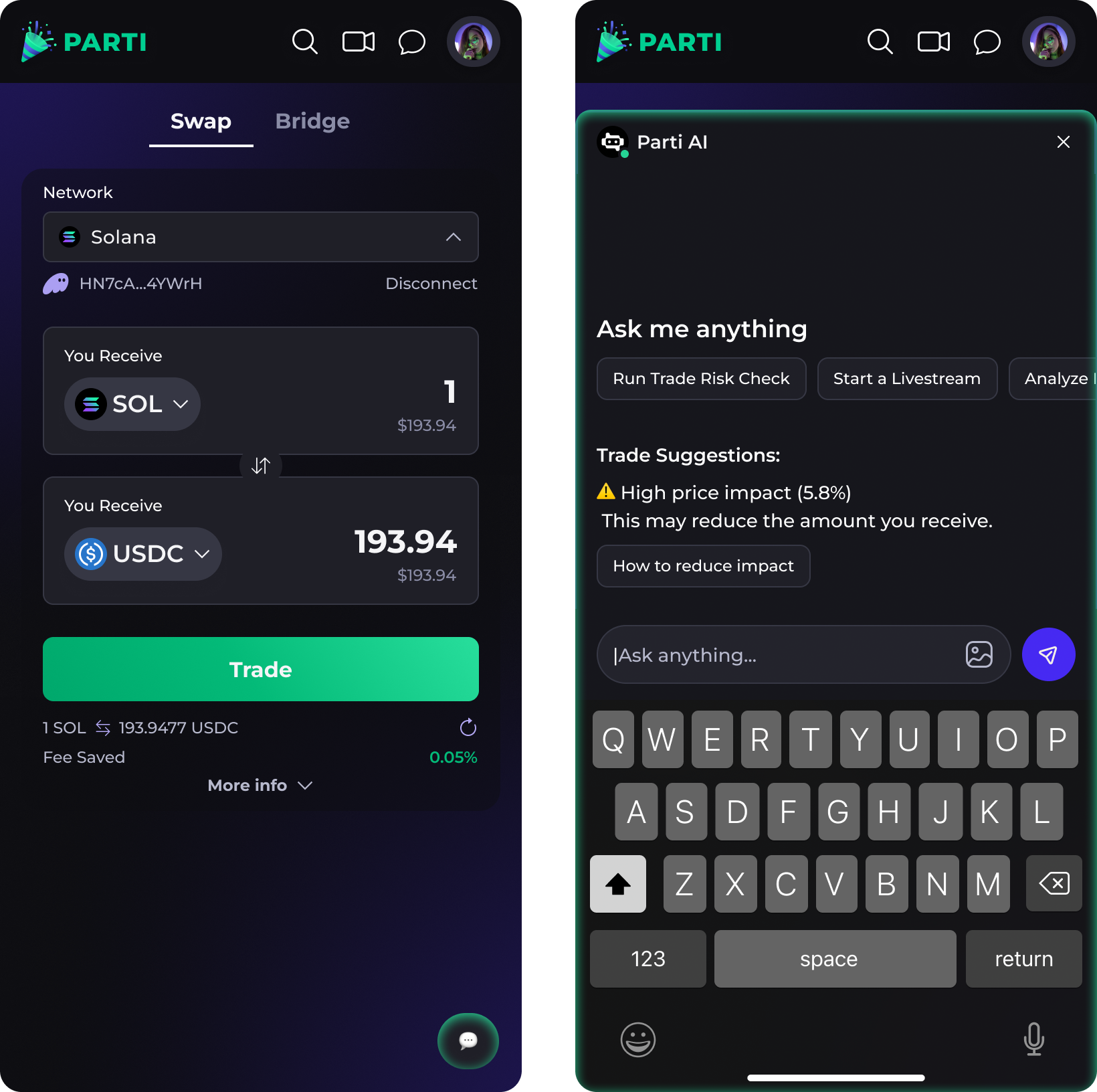
Working on integrating an AI chatbot to reduce friction, build user confidence, and increase engagement, transforming a complex fintech-social platform into a more intuitive, supportive experience. User research revealed anxiety around complex trades, unclear features, and irreversible actions was causing hesitation and drop-offs. The always-available assistant delivers real-time, contextual answers, making web3 more accessible and improving overall user experience.

🎯 Purpose

• 24/7 instant answers
• Contextual guidance
• Reduce friction & abandonement
• Builds trust & confidence
• Increase completion rates

🧠 Core Guiding Principles

✅ User-Centered
✅ Human Dialogue
✅ Context-aware
✅ Actionable & Progressive
✅ Ethical, Fair and Safe

Trade Assistance

• Non-Intrusive: 30s delay on high-intent pages

• Surfaces risk alerts + Quick suggestions

• Proactive prompts: “Run Trade Risk Check,” “Start a Livestream,” “Analyze Wallet”

• Bottom input: “Ask me anything…” with keyboard shortcuts & suggested starters for fast, tailored guidance

Results

Business Impact

• +30% increase in DAU
• +15% lift in conversions
• Improved feature adoption and repeat engagement

User & Team Feedback

• Founder: “The redesign was more than a facelift—it redefined the platform's identity“
• Users praised the usability, cleaner navigation and faster access to trading tools
• Stakeholders, PM and Engineers expressed the design rivaled competitors!

Company-wide Design Impact

Optimization of development with reusable and scalable Design System

Thank you for your time 🪷

Let's work together!

Contact me See another project ➡️
Email me
LinkedIn
← Back